Environmental Considerations in Foundation Engineering: Qatar's Approach
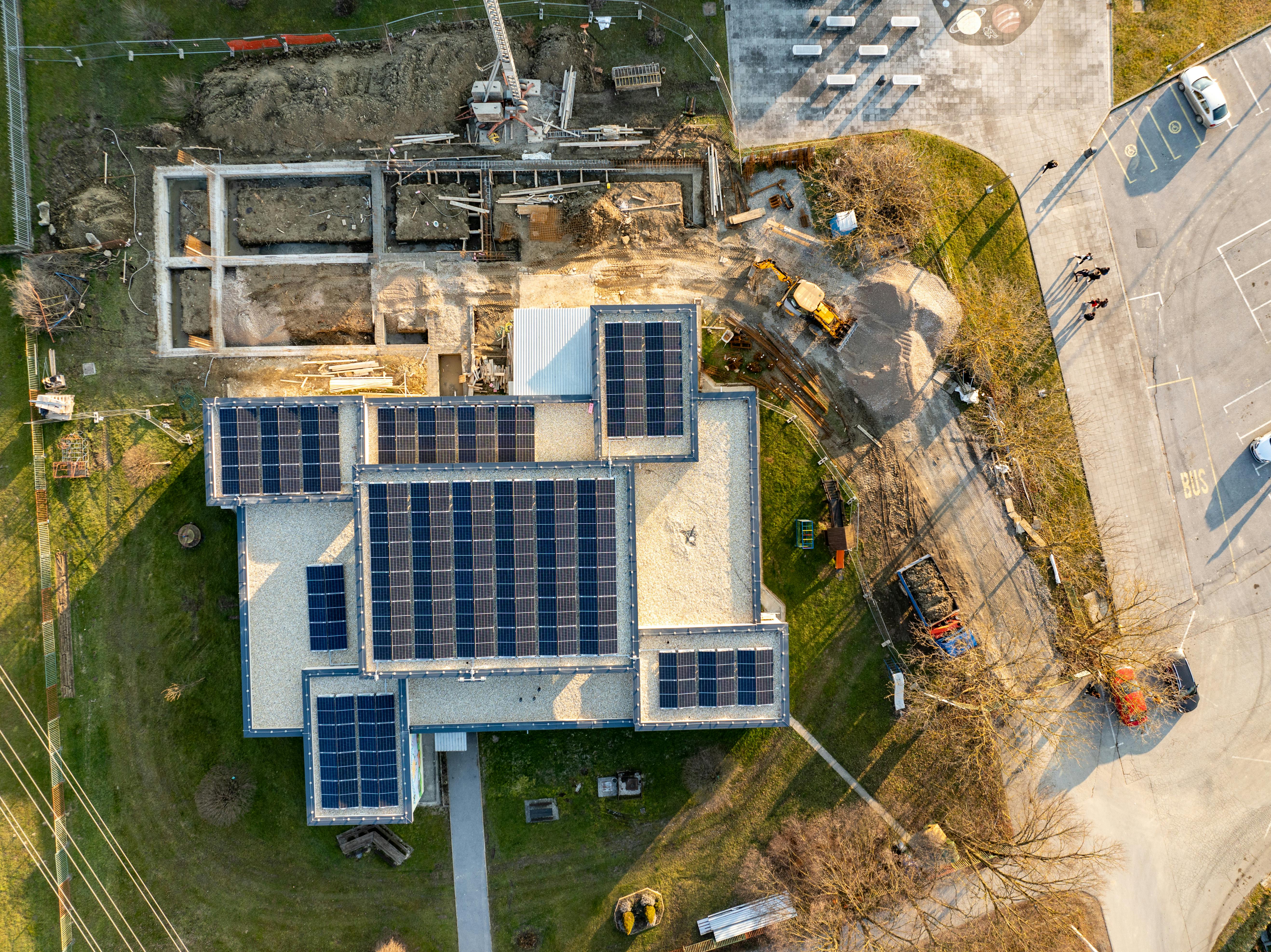
Sustainable construction is no longer a niche priority — it is a central requirement of modern infrastructure development in Qatar and across the Gulf region. While much attention falls on above-ground elements like energy-efficient facades, green roofs, and HVAC systems, the environmental impact of foundation works is equally significant and often overlooked.
Foundation activities — drilling, excavation, concrete placement, and spoil management — all carry environmental implications. Responsible contractors design and execute these activities to minimise community impact, manage waste responsibly, and comply with Qatar's environmental standards. At Roots for Foundations, environmental stewardship is integrated into every aspect of how we work.
Managing Noise and Vibration
Piling and shoring activities are among the noisiest and most vibration-intensive construction operations. In Qatar's urban environment — where residential buildings, commercial facilities, and sensitive infrastructure are often immediately adjacent to construction sites — noise and vibration management is critical.
Our approach includes:
- Selecting low-vibration techniques (rotary bored piling, CFA piling, soil nailing) wherever possible in sensitive areas — driven piling is avoided near existing structures
- Scheduling noisy operations during approved working hours and notifying affected neighbours in advance
- Continuous vibration monitoring on adjacent structures when required, with automatic alerts if pre-agreed trigger levels are approached
- Using modern, well-maintained equipment that produces lower noise emissions at source
Spoil and Waste Management
Drilling and excavation generate substantial quantities of spoil — mixed soils, rock cuttings, and drilling fluids that must be managed responsibly. Poor spoil handling can contaminate nearby watercourses, create public health issues from dust, and result in significant project delays if disposal is not planned in advance.
Our waste management practices include:
- Pre-assessing spoil for potential contamination based on site history and soil investigation data
- Using closed-loop bentonite or polymer drilling fluid systems to minimise waste fluid volumes and allow recycling
- Coordinating with licensed disposal facilities approved under Qatar's environmental regulations
- Minimising spoil volumes by selecting drilling methods that generate less waste (e.g., CFA piling, which augers out a defined volume with minimal slurry)
Groundwater Protection
Qatar's coastal geology means that saline groundwater is present at shallow depths across much of Doha and the surrounding areas. Foundation works in these conditions must ensure that drilling fluids, concrete laitance, and contaminated spoil do not enter the groundwater system.
We achieve this through:
- Using biodegradable polymer drilling fluids rather than cement bentonite systems wherever feasible
- Ensuring that concrete placement in bored piles is conducted using tremie methods that prevent concrete contamination of the surrounding ground
- Implementing on-site containment for any liquid waste prior to proper disposal
Carbon Footprint Reduction
Foundation works are materials and plant-intensive, and the associated carbon footprint — mainly from concrete production and heavy equipment fuel — can be significant for large projects. Strategies we adopt to reduce this impact include:
- Optimising pile design to use the minimum concrete volume consistent with structural requirements
- Using concrete mixes with supplementary cementitious materials (fly ash, ground granulated blast furnace slag) to reduce clinker content and embodied carbon
- Keeping equipment well-maintained to maximise fuel efficiency and minimise emissions
- Scheduling plant movements to minimise unnecessary idle time and repositioning
"What happens underground stays underground — which is exactly why we take our environmental responsibilities so seriously. Our work should leave a positive legacy, not a contamination issue for future generations."
Compliance with Qatar's Environmental Standards
Qatar's Ministry of Environment and Climate Change sets clear standards for construction activities, covering noise limits, waste disposal, groundwater protection, and air quality. All Roots for Foundations projects are conducted in compliance with these regulations, with relevant method statements, risk assessments, and environmental management plans prepared and submitted as required.
We also advise clients who are pursuing green building certifications (such as GSAS — Global Sustainability Assessment System, Qatar's national rating system) on how their foundation works can contribute to relevant credits around waste management, water use, and materials.
If you'd like to discuss how we can deliver your foundation project with minimal environmental impact, get in touch with our team. We're committed to building responsibly — below ground and above it.