Shotcrete: The Versatile Solution for Modern Construction Challenges
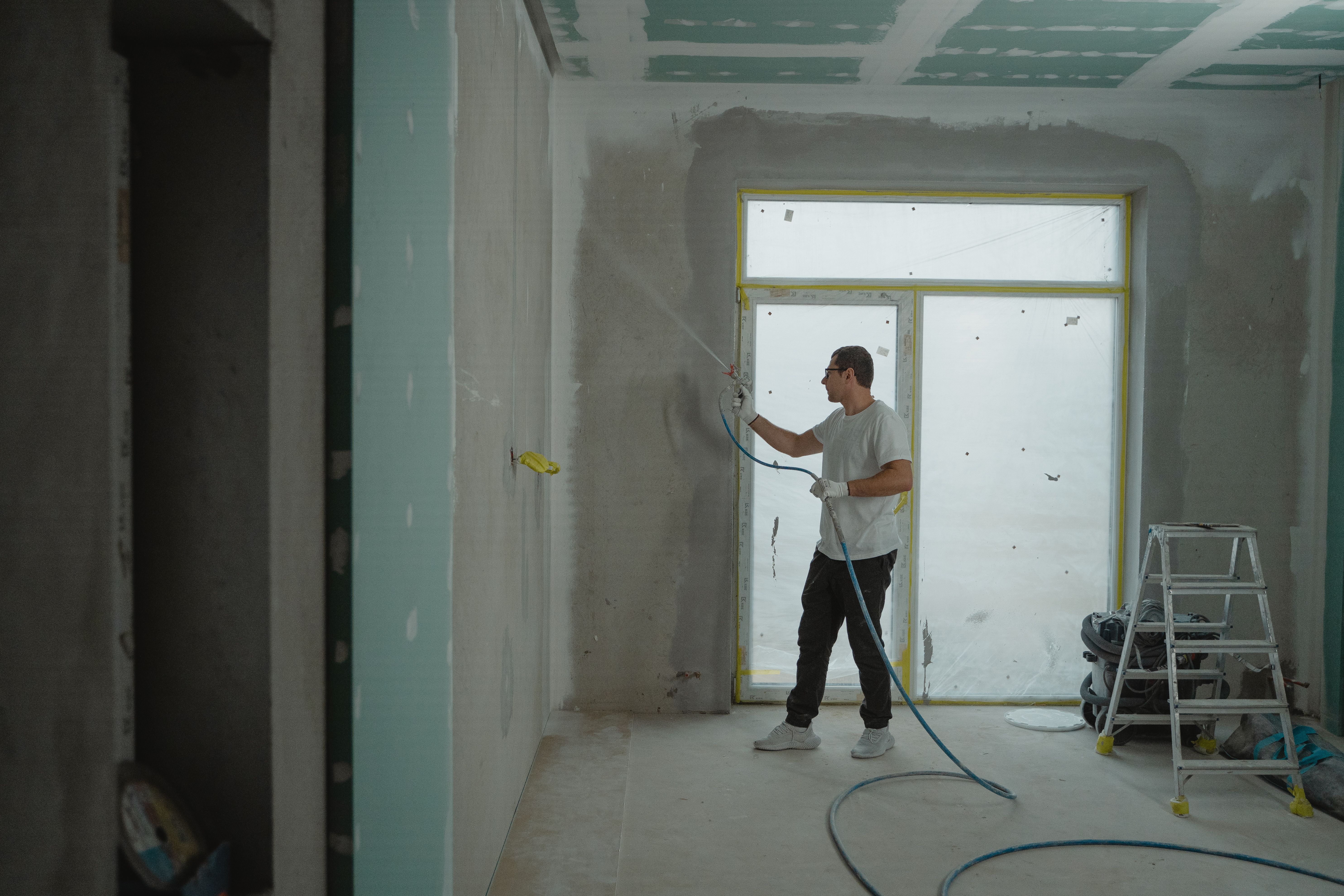
Shotcrete — pneumatically applied concrete — has been used in construction for over a century, but its versatility and performance continue to make it one of the most valuable tools in modern foundation and civil engineering. Unlike conventionally poured concrete, shotcrete is projected at high velocity onto a surface, where it compacts and adheres under its own impact force. The result is a dense, strong, and fast-applied layer that can conform to complex shapes and geometries that formwork cannot.
At Roots for Foundations, we use shotcrete for a wide range of applications — from slope facing and retaining wall finishes to tunnel linings and structural rehabilitation. Understanding the process and choosing the right method makes all the difference in quality and cost-effectiveness.
Wet-Mix vs. Dry-Mix Shotcrete
There are two primary shotcrete processes, and the choice between them affects everything from consistency to dust control:
Wet-mix shotcrete involves mixing all ingredients (cement, aggregates, water, and admixtures) before the material enters the delivery hose. A compressed air nozzle accelerates the mixture onto the target surface. Wet-mix produces more consistent concrete quality, generates less dust, and is better suited to high-volume applications. It is the method used for most of our structural and slope protection works.
Dry-mix shotcrete (also called gunite) involves conveying dry cement and aggregate through a hose, with water added at the nozzle. This method gives the nozzleman greater control over water-cement ratio and is better suited to smaller volumes and areas with limited access. It generates more dust and demands a highly skilled operator, but can achieve very low water-cement ratios and excellent bond in repair work.
Key Applications of Shotcrete
- Slope stabilisation and protection — shotcrete facing over soil-nailed or naturally stable slopes prevents surface erosion and provides a weathering barrier, commonly used in cut slopes across Qatar's infrastructure projects
- Retaining wall facing — when combined with soil nails or anchors, shotcrete facing creates an effective retaining system that is faster and more economical than conventional reinforced concrete walls
- Tunnel initial support — in new Austrian tunnelling method (NATM) construction, a layer of shotcrete is applied immediately after excavation to stabilise the opening before permanent lining
- Structural repairs and rehabilitation — shotcrete can be used to restore deteriorated or damaged concrete members, applying new material that bonds tightly to the existing substrate
- Temporary support — in stages excavations, shotcrete provides immediate face support between anchor and nail installations
Achieving High-Quality Shotcrete
The quality of a shotcrete application depends on much more than just the mix design. Critical factors include:
- Nozzleman skill — shotcrete application is a manual process. The angle, distance, and speed of the nozzle all affect the density and uniformity of the applied layer. Trained, certified nozzlemen are essential.
- Surface preparation — the receiving surface must be clean, free of loose material, and pre-wetted (but not saturated) to ensure good bond
- Mix design — accelerators, fibres (steel or polypropylene), and supplementary cementitious materials can be added to tailor performance to specific project requirements
- Curing — like all concrete, shotcrete must be adequately cured to develop its full strength and durability. In Qatar's hot climate, this is especially critical to prevent rapid drying and surface cracking
"In our experience, the biggest quality difference on shotcrete work comes down to two things: mix design and nozzleman skill. Invest in both, and the result will last decades."
Shotcrete in Qatar's Climate
Qatar's extreme summer temperatures present specific challenges for shotcrete works. Concrete placed in ambient temperatures above 35°C can experience accelerated hydration, reduced workability, and increased risk of early cracking. Our team mitigates these risks through chilled water and ice in the mix, pre-cooling of aggregates, and night-time application during the hottest months.
For repair and rehabilitation works, we also ensure that surface temperatures are within acceptable limits before application — direct sunlight on a dark concrete surface in summer can push surface temperatures to 60°C or more, which would compromise the bond of freshly applied shotcrete.
Whether you need slope protection, retaining wall facing, or structural repair, our team can design and deliver the right shotcrete solution. Contact Roots for Foundations for an expert consultation.