How to Choose the Right Piling Method for Your Qatar Construction Project
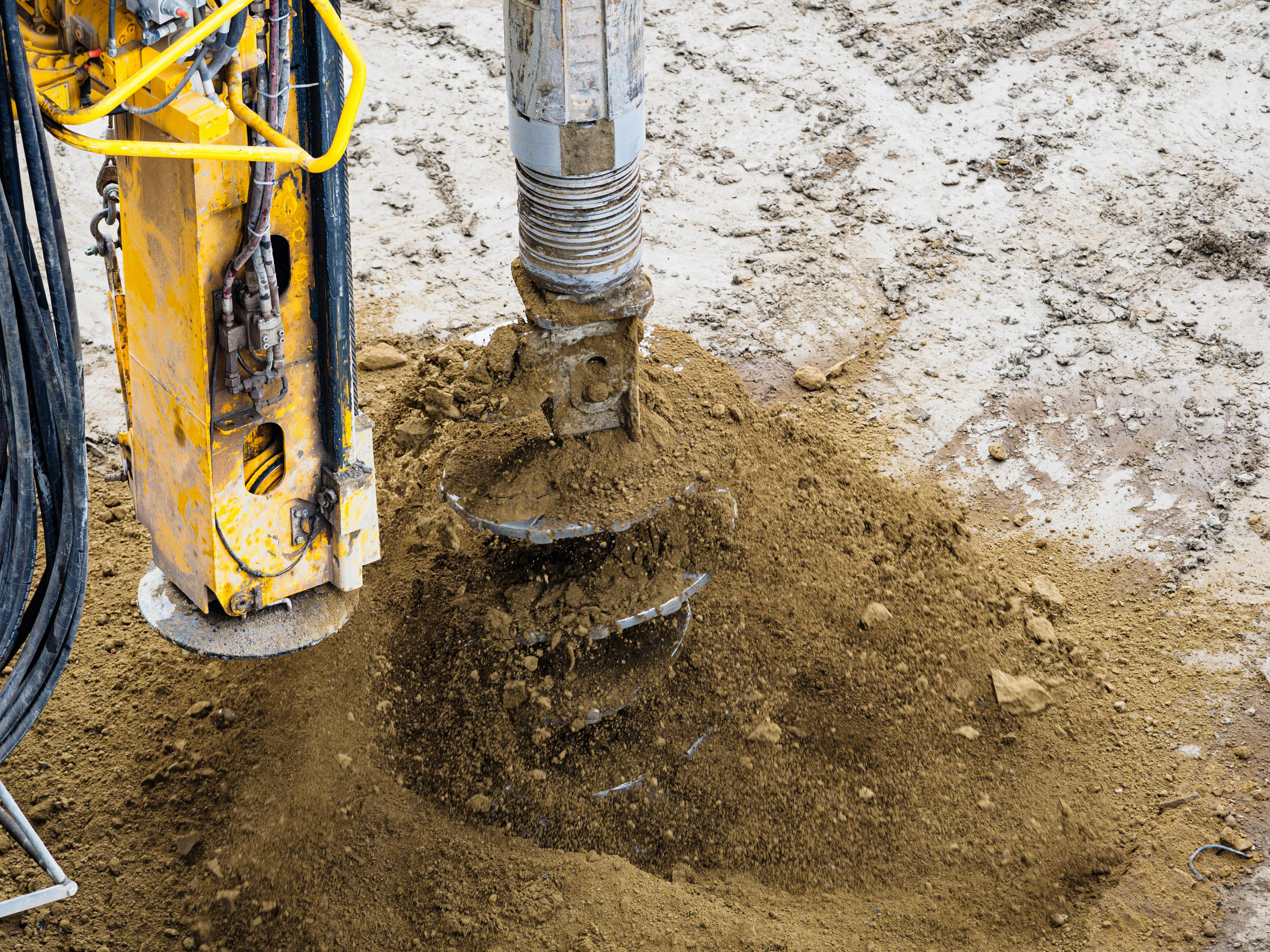
One of the most consequential decisions in any major construction project is the choice of piling system. Select the wrong method for your site conditions and you could face expensive delays, re-works, or structural problems that cost far more to fix than they would have cost to avoid. Select the right method and your foundation will be installed efficiently, safely, and within budget.
At Roots for Foundations, our engineers assess every project individually. There is no universal "best" piling system — only the right system for your specific combination of loads, ground conditions, site constraints, and programme requirements. This guide walks through the main options available in Qatar.
1. Bored Cast-in-Place Piles (Rotary Bored Piles)
Bored piles are the most common deep foundation choice for large-scale projects in Qatar. A rotary drilling rig excavates a cylindrical hole to the required depth, after which a reinforcement cage is lowered in and the pile is cast with concrete (tremied under water or bentonite for stability in unstable soils).
Best suited for: High-rise buildings and heavy infrastructure; sites where ground vibration must be minimised; projects requiring large-diameter piles (600mm–2000mm+); locations with high groundwater table
Advantages: Minimal noise and vibration; high load capacity; adaptable to variable ground; suitable for all soil types found in Qatar
Considerations: Higher mobilisation cost; requires spoil disposal management; slightly slower for smaller-diameter piles compared to CFA
2. Continuous Flight Auger (CFA) Piles
CFA piling uses a continuous helical auger that is drilled to the design depth without extracting spoil during drilling. Concrete is then pumped through the hollow stem of the auger as the auger is withdrawn, and a reinforcement cage is inserted into the wet concrete immediately after.
Best suited for: Medium-rise residential and commercial buildings; soils with stable profiles (sand, gravel, soft to medium clays); sites where speed is critical
Advantages: Fast installation — typically 2–4x more productive than rotary bored piles; low vibration; no temporary casing required in stable soils
Considerations: Limited to pile diameters up to approximately 900mm; not suitable for very hard ground (rock) or soils with large cobbles or boulders; requires continuous concrete supply during installation
3. Driven Precast Concrete and Steel Piles
Driven piles are premanufactured elements (concrete sections, steel H-piles, or steel pipes) that are hammered or vibrated into the ground using a piling hammer or vibratory driver.
Best suited for: Coastal and waterfront projects; sites with easily penetrable soils; projects requiring fast mobilisation with no spoil generation
Advantages: No spoil to dispose of; piles can be tested before installation; high productivity in suitable soils; excellent performance in loose sands and soft ground
Considerations: Significant noise and vibration — not appropriate in dense urban areas or close to sensitive structures; limited penetration capability in cemented or hard layers common in parts of Qatar
4. Micropiles
Micropiles are small-diameter piles (typically 100–300mm) drilled and grouted in place, capable of carrying axial loads through high-strength steel elements. They are particularly valuable when access is severely restricted or when loads must be transferred through or around existing underground obstacles.
Best suited for: Underpinning of existing structures; sites with restricted headroom or limited crane access; areas with underground utilities or services; strengthening of existing foundations
Advantages: Very low vibration; can work in confined spaces; can be installed at angles; versatile in mixed ground conditions
Considerations: Higher cost per unit capacity compared to conventional piles; more time-intensive for large pile groups
How We Select the Right Method
Our geotechnical engineers review the full site investigation report before making any recommendation. Key factors we consider include:
- Pile head loads and load combinations from the structural engineer
- Soil stratification, rock level, and groundwater conditions from borehole logs
- Proximity to existing buildings and sensitivity to vibration
- Programme requirements and phasing constraints
- Site access and equipment restrictions
- Budget and value-engineering opportunities
"We often find that a slightly more expensive piling method per unit saves the project significantly in programme time, plant logistics, or avoided site constraints. The lowest pile rate is not always the lowest project cost."
Our team prepares a detailed technical proposal with the recommended method, anticipated installation rates, quality control procedures, and a fixed price — so you can make an informed decision and proceed with confidence.
To discuss piling solutions for your next Qatar project, contact our engineering team today.